Jordan

the_getaway_edit_jordan_petra-12.jpg
Jordan.png

Bordering Syria, Iraq, Saudi Arabia, Israel and the West Bank, Jordan may not seem like the safest place to visit at the moment. However, it is a very peaceful country in an otherwise unstable region. We were there for eight days and drove from Amman down to Aqaba and back, stopping at the following places along the way:

Days 1-2: Dana Biosphere Reserve
Days 3-4: Petra
Days 5-6: Wadi Rum
Days 7-8: Dead Sea

King’s Highway

Rather than taking the Desert Highway from north to south, we opted for the slower but more scenic King’s Highway. An ancient trade route that was once used by merchants and crusaders, it passes through many of the country’s historically significant sights and ruins.

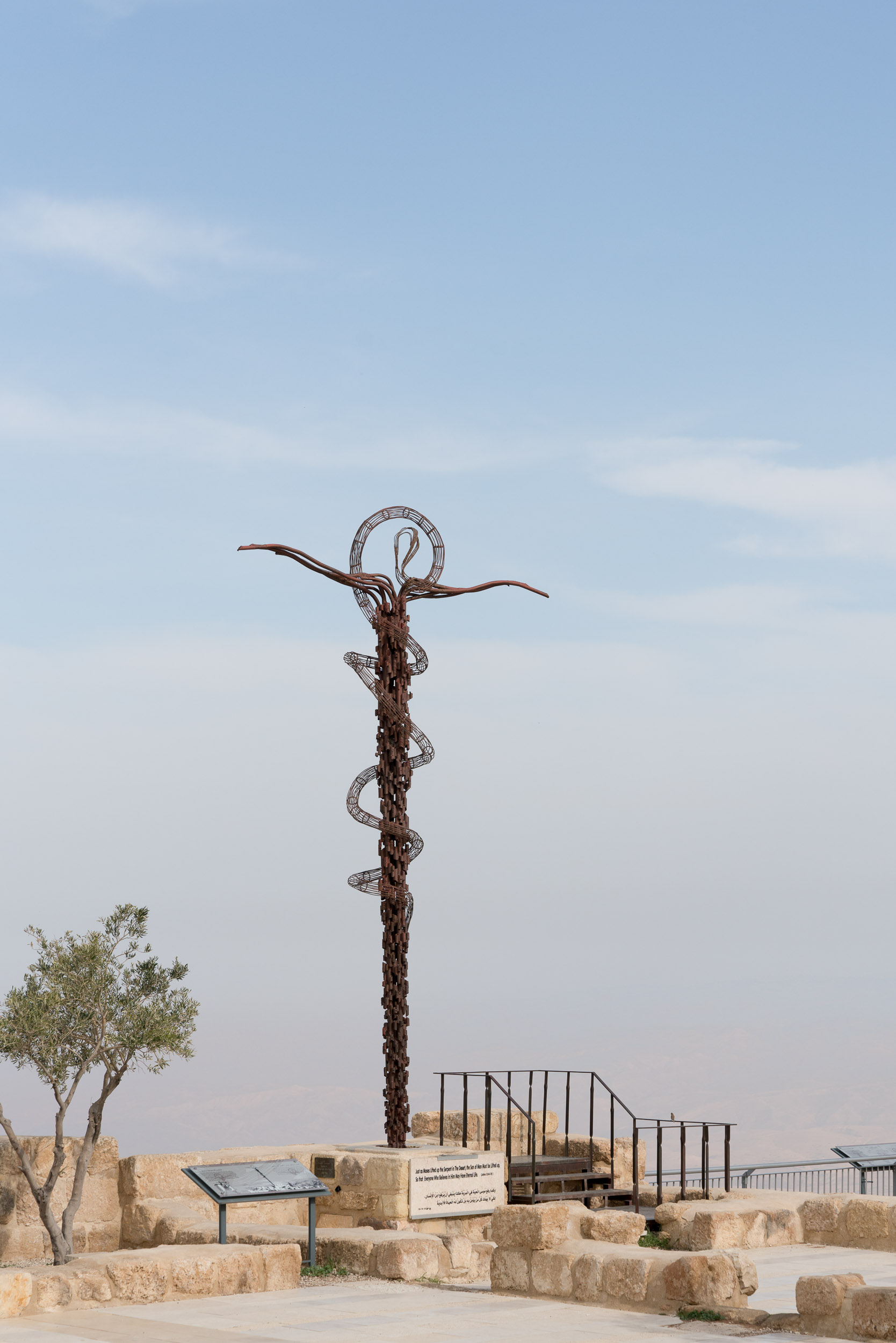
Mount Nebo: Our first stop is where Moses stood looking at the Promised Land. The hilltop overlooks the river valley and the Dead Sea. On a clear day, you can see as far as Jerusalem and Jericho.

Umm ar-Rasas: We made a small detour to an archeological site dating back to the Bronze Age. Of particular importance is the mosaic floor of the Church of St. Stephen. It is the largest mosaic in Jordan and very well-preserved.

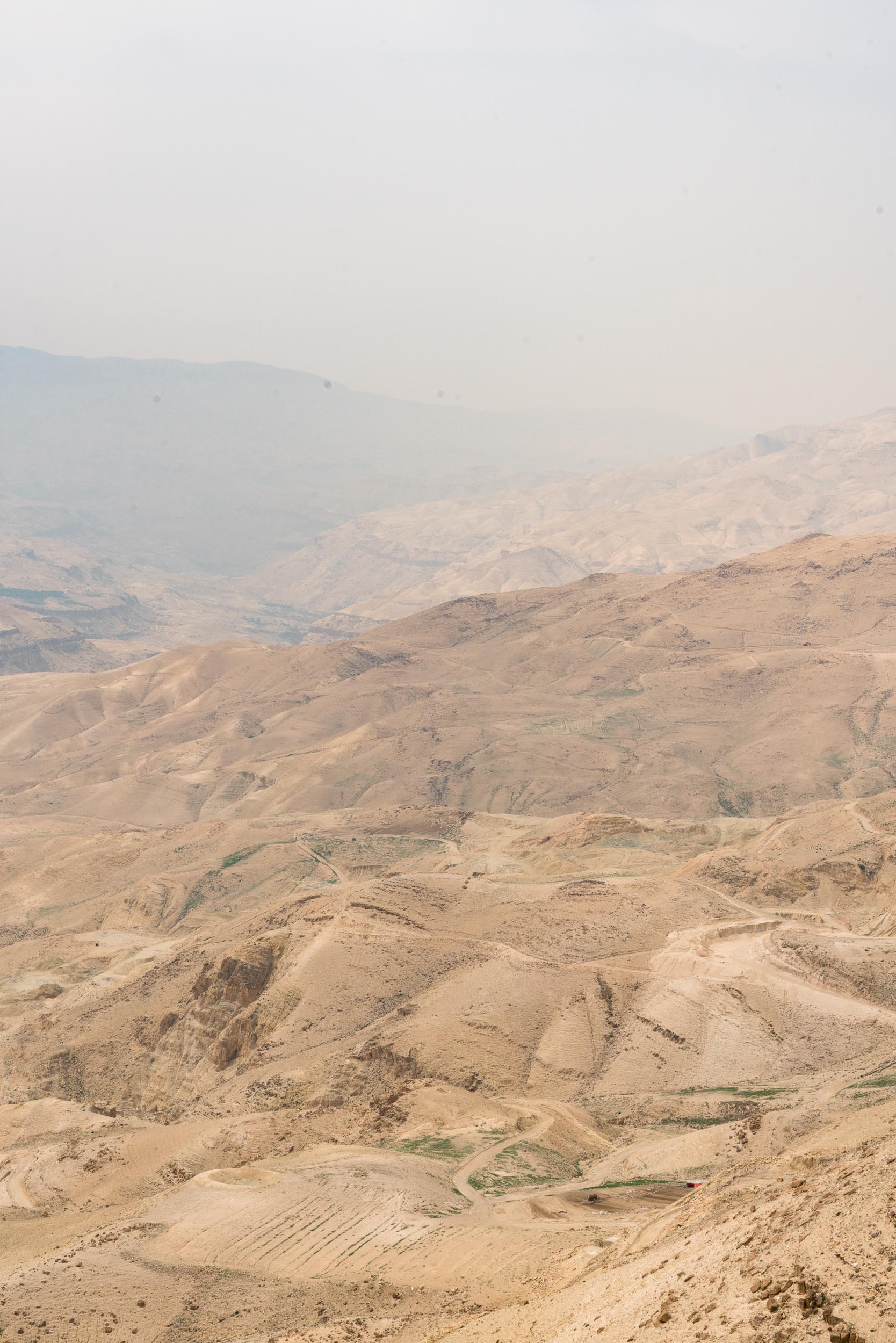
Wadi Mujib: Back on the highway, the road runs along the ridge of Wadi Mujib, the Grand Canyon of Jordan. From above you see the highway going down the valley below and back up again. We would return at the end of the trip on the other side of the wadi along the Dead Sea coast.

the_getaway_edit_jordan-14.jpg
the_getaway_edit_jordan-15.jpg
the_getaway_edit_jordan-10.jpg
the_getaway_edit_jordan-16.jpg

Kerak and Shobak Castles: There are quite a few crusader castles in Jordan. The largest one is Kerak Castle. There is another less excavated one, Shobak Castle, located after Dana and before Petra.

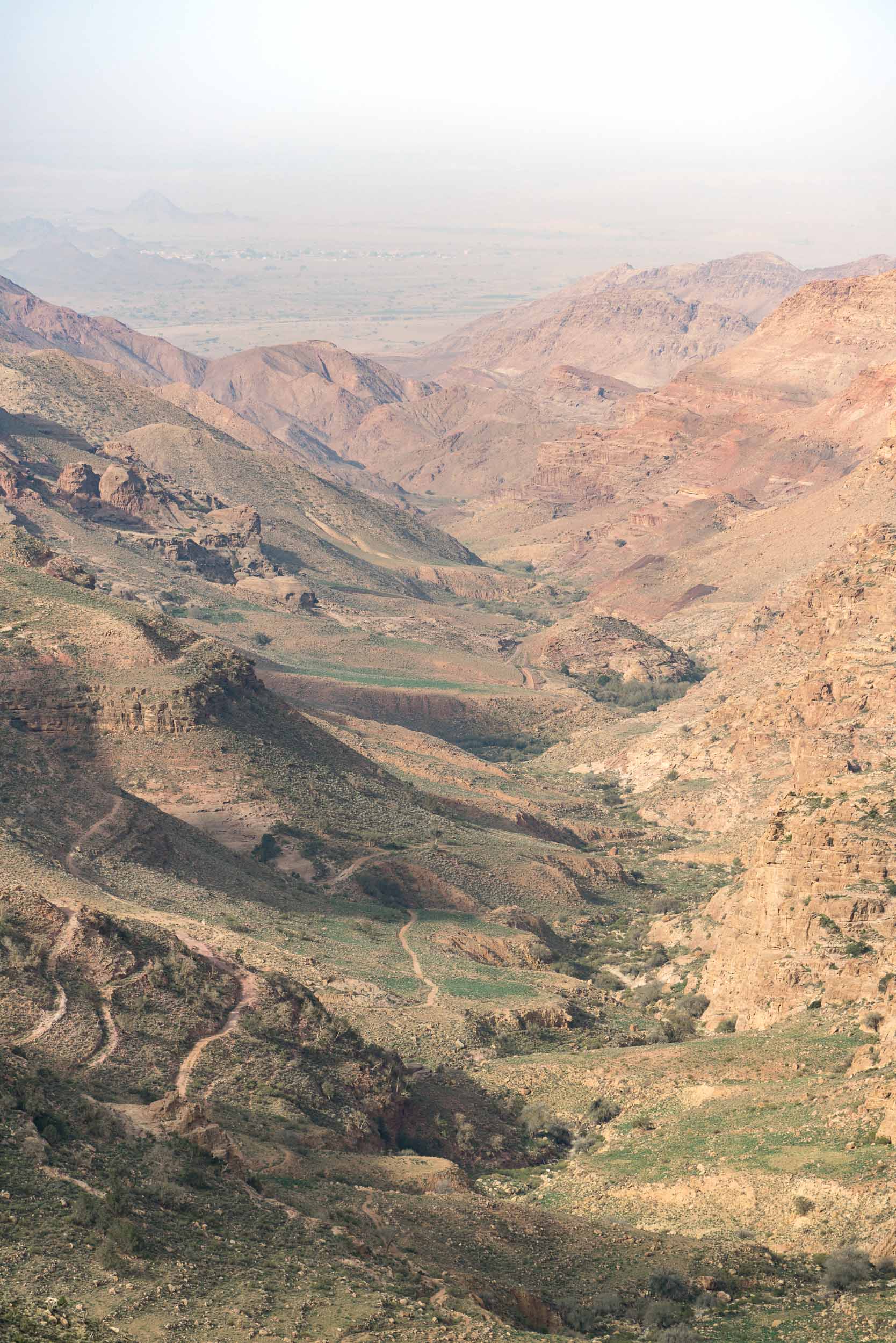
Dana: We finally reached Dana, a small stone village on the edge of the Dana Biosphere Reserve. We stayed here the first night and the next day did a five-hour hike down the valley along the Wadi Dana trail to Feynan.

the_getaway_edit_jordan-6.jpg
the_getaway_edit_jordan_dana_biosphere-7.jpg
the_getaway_edit_jordan-17.jpg

Petra: The King’s Highway ends shortly after Petra, an ancient city built by the Nabataeans. Once a thriving city thousands of years ago, it eventually fell into decline and was abandoned. Petra was lost to the rest of the world until it was rediscovered by a Swiss explorer in 1812.

the_getaway_edit_jordan_petra-5.jpg
the_getaway_edit_jordan-3.jpg
the_getaway_edit_jordan-18.jpg
the_getaway_edit_jordan_petra-11.jpg

After the King’s Highway, we continued south on a more modern route towards Wadi Rum. It is a desert valley surrounded by sandstone and granite mountains. We passed Aqaba and took the Dead Sea highway to head back north along the coast. We ended our trip floating in the Dead Sea and relaxing in the Ma’in hot springs.

the_getaway_edit_jordan-19.jpg
the_getaway_edit_jordan-7.jpg
the_getaway_edit_jordan-4.jpg
the_getaway_edit_jordan-6.jpg

Isfjord Radio

the_getaway_edit_svalbard_isfjord_radio-3.jpg

We woke up early to start our journey to Isfjord Radio Hotel. The light was still quite dark outside. This time of year Svalbard is bathed in a soft blue light for most of the day as the sun is still under the horizon. We were there in mid-February when it transitions from four months of complete darkness to the first rays of light.

The former radio station is only accessible by boat in the summer and snowmobile or dogsled in the winter. We had decided to make it a snowmobiling trip and it was just going to be the two of us and our guide Thomas. We were given several layers of clothing and loaded up our snowmobiles. Weather permitting, we would stay for two nights and return on the third.

the_getaway_edit_svalbard_isfjord_radio-1.jpg
the_getaway_edit_svalbard_isfjord_radio-14.jpg
the_getaway_edit_svalbard_isfjord_radio-12.jpg
the_getaway_edit_svalbard_isfjord_radio-6.jpg

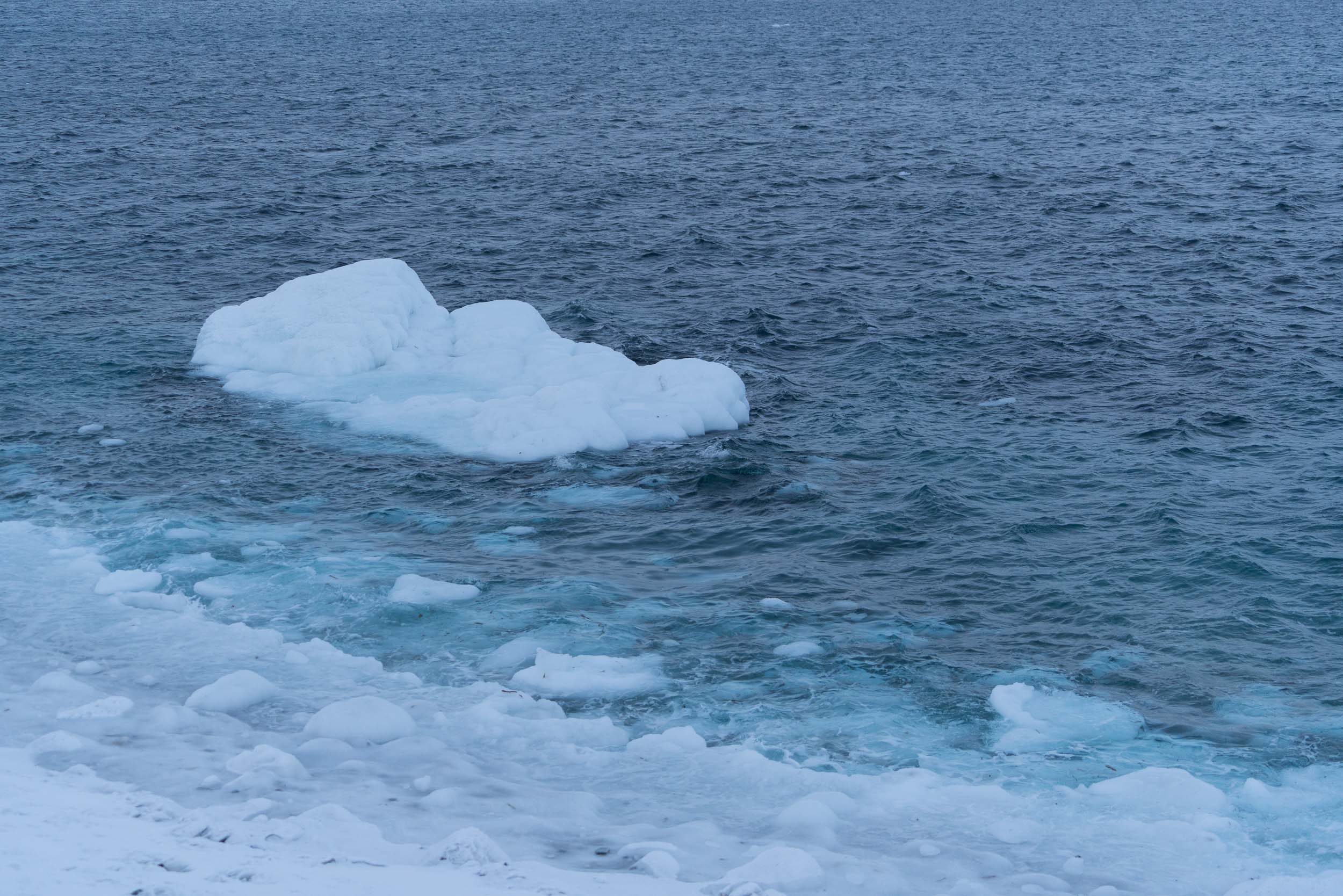
We travelled through endless hills and valleys in the Artic wilderness. We had never been anywhere so remote and untouched before. At one point, Thomas stopped and had us lie in the snow to experience the Arctic silence. Along the way we would occasionally see Svalbard reindeer, which are shorter and stockier than their counterpart on the mainland. We even spotted a walrus on an iceberg off the shore of Grønfjorden, not far from our destination.

the_getaway_edit_svalbard_isfjord_radio-5.jpg
the_getaway_edit_svalbard_isfjord_radio-15.jpg

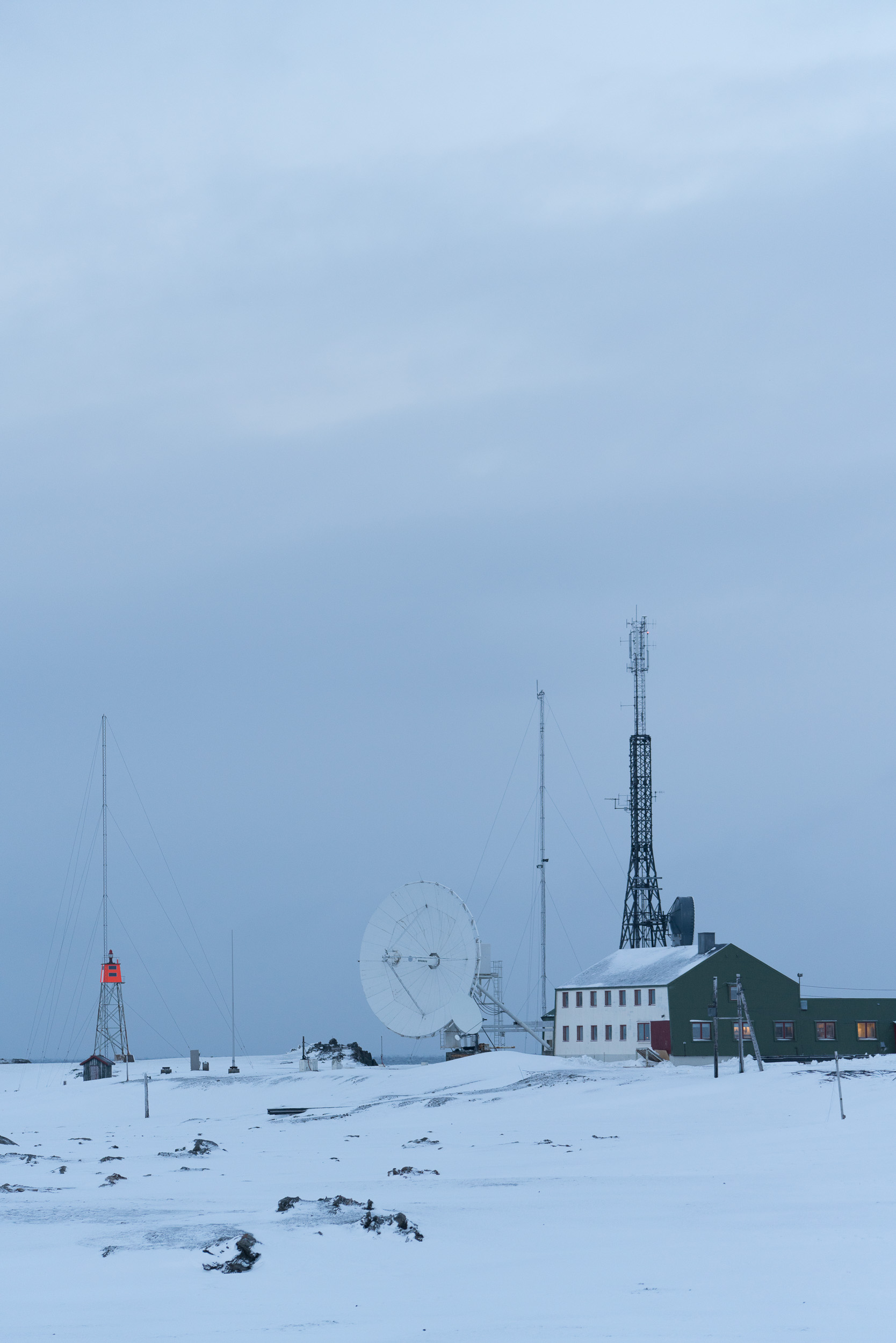
It was dusk when we finally made it to Isfjord Radio. We were greeted with mugs of hot apple juice mixed with chilli and Calvados and given a brief overview of the place. It turned out that we were the only guests during our stay other than the owner and his business associates. Inside the shell of the old radio station, which was was established in 1933, was a well-designed boutique hotel. We stayed in a suite on the top floor that had shared bathroom facilities at the end of the hall but we basically had the whole floor to ourselves. After a full day of riding the snowmobiles, we were glad to trudge through the snow to reach the wooden sauna overlooking the sea. We were skeptical when our guide first informed us of the ritual to go for a dip in the water below after warming up in the sauna. It was not possible the first night as the shore was covered in drift ice but on the second night, one of us braved the cold to walk down and take a swim in the Arctic Ocean. He did it not only once, but twice (and even has a certificate to prove it). After the sauna each night we were treated to a five-course dinner that included fresh fish and reindeer caught by one of the few remaining trappers on the island.

the_getaway_edit_svalbard_isfjord_radio-16.jpg
the_getaway_edit_svalbard_isfjord_radio-20.jpg
the_getaway_edit_svalbard_isfjord_radio-22.jpg
the_getaway_edit_svalbard_isfjord_radio-18.jpg
the_getaway_edit_svalbard_isfjord_radio-21.jpg
the_getaway_edit_svalbard_isfjord_radio-7.jpg

The next day we decided to take a shorter excursion around the area surrounding the hotel. We went south along the coast which proved to be quite icy. Thomas then led us through a valley that looked as if we were the first ones to go through that season. We rejoined our route from the previous day and made our way back to the hotel.

the_getaway_edit_svalbard_isfjord_radio-8.jpg
the_getaway_edit_svalbard_isfjord_radio-10.jpg
the_getaway_edit_svalbard_isfjord_radio-9.jpg
the_getaway_edit_svalbard_isfjord_radio-11.jpg
the_getaway_edit_svalbard_isfjord_radio-19.jpg
the_getaway_edit_svalbard_isfjord_radio-23.jpg

On our return trip we made a small detour to see Barentsburg, the last remaining Russian mine settlement in Svalbard. Once a thriving coal mining town, the population has dwindled to 500 residents as of late. There is a hotel, a few restaurants, a cinema, a school and the Russian consulate. The buildings belong to another era and the whole town feels stuck in time of the former Soviet Union. One of the two northernmost Lenin statues remain here (the other in the abandoned Russian mine Pyramiden). After a short break and lunch we continued on our way.

the_getaway_edit_svalbard_isfjord_radio-2.jpg
the_getaway_edit_svalbard_isfjord_radio-25.jpg
the_getaway_edit_svalbard_isfjord_radio-24.jpg
the_getaway_edit_svalbard_isfjord_radio-13.jpg

The weather conditions were not as good on our last day. For most of the trip we had snow and low visibility. We were told to follow close and to not lose sight of the driver in front of us. For some periods, we could literally not see anything around us and it was impossible to tell if we were going up a mountain or down to the bottom of a valley. Thomas was relying solely on GPS to drive us through the white-out. At the beginning of every season, the guides go out on a day with good conditions to map out the routes and ensure they are safe. After driving for eight hours we finally made it back to Longyearbyen. In total, we travelled 250 kilometres on our three-day Isfjord Radio trip. It was an adventure that we will not forget.

the_getaway_edit_svalbard_isfjord_radio-4.jpg